

Getting to know your triggers is an essential part of managing bipolar disorder. They look different for everyone. What triggers one, may not trigger another.
I have listed the most common triggers that I and others with bipolar experience. This list is by no means complete – you may have other triggers I have not included.
One way to find out what your triggers are is to keep a mood diary. Recording your day to day experiences, alongside a record of your day to day moods, will help you identify patterns and where those triggers lie. Click here to find out more.

- Stress – A doctor once told me “Bipolar is like having an allergy to stress.” She wasn’t wrong. Stress is my biggest trigger and most problematic one. Day to day stress can be managed but sometimes life just hands us more than we can handle. Click here for tips on handling stress with bipolar.
- Over-tired – Taking on too much, and not getting enough rest can be problematic. As frustrating as it might be, we have to be mindful of this to maintain stability. This can be difficult to accept in a culture that prioritises productivity over rest and wellness – but rest is important to remain productive.
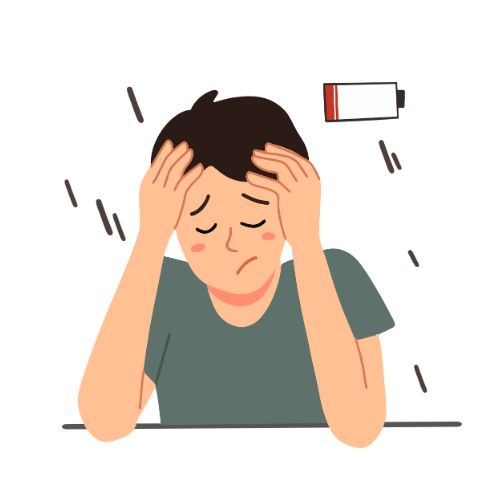
- Lack of Sleep – Getting the right amount of sleep is essential for maintaining stability. Too much or too little can be triggering. Sleeping too much ca be a sign of a depressive episode and sleeping too little, without feeling tired, is a warning sign for hypomania and mania. Depression can also cause insomnia. Click here for more information on sleep and bipolar disorder.
- Alcohol and Drugs. Even recreational use can be a trigger and can also stop some medications from working.
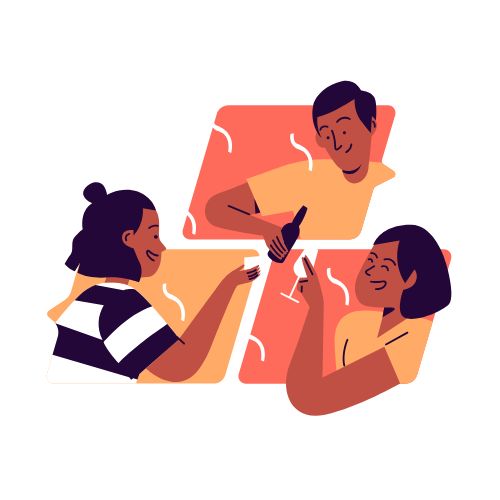
- Overstimulation – Many things can be overstimulating. Socialising, sensory input, music, busy places, excitement. Sometimes you can have too much of a good thing.
- Seasonal Changes – Some people’s mood cycle can reflect the change in seasons. The weather and changing light levels can be a trigger.

- Change of Routine – Bipolar is thought to have a circadian pathology, so routine is essential to its management. When that routine gets disrupted it can be very destabilising.
- Clocks Changing – the changing of the clocks, backwards and forwards, can disrupt those circadian rhythms. Click here for more information.
- Travel – The stress and the time changes can both be triggering. A new environment can also be overstimulating.

- Holidays – Christmas time, and other holidays, can be a perfect storm of stress, loss of routine, exhaustion and over-stimulation. A difficult time of year for bipolar triggers.
- Poor Diet – Too much sugar, too many carbs, and not enough fruit and veg can make us physically and mentally unhealthy. Eating too much, or too little, can also be unhealthy.
- Lack of Exercise – For me, exercise is essential for maintaining my mental health. Too little can lead to depression. For some people too much exercise can be a trigger for mania and hypomania.

- Relationships – They can be tricky to manage with bipolar. Relationship breakdown and even the excitement of new relationships can be triggering.
- Interpersonal Issues – Conflict and difficult relationships (whether they be friends, family or colleagues) can be triggering. Set firm boundaries.
- Physical illness and Comorbid Disorders. Being sick, mentally or physically, can drain our resilience and even be a trigger for bipolar. It’s important tom take good care of yourself and your general health. Click here for more information.

Click here for information on Early Warning Signs, Survival Toolkit, Depression Survival Guide and How to cope in a crisis.
What are Your Bipolar Triggers? Let me know in the comments below.



Early Warning Signs
The signs of oncoming illness, both low and high, include disturbed sleep, forgetfulness, clumsiness, hypersensitivity, irritability, emotional empathy, changes in appearance, sleep patterns, energy levels, and behavior. Tracking these can aid early intervention.

 Bipolar Rough Guide
Leave a comment