
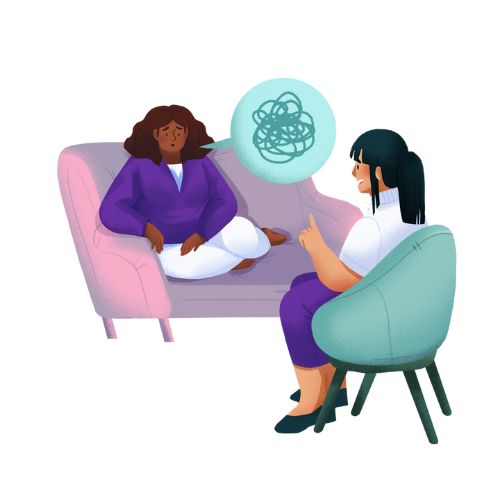
There are different psychological therapies available for bipolar disorder. Along with medication, talking therapies are essential part of treatment.
I am going to talk about the main therapies available in the U.K. for bipolar disorder.
Dialectical Behaviour Therapy
A skills based therapy that teaches emotional regulation, distress tolerance, interpersonal skills, acceptance, mindfulness and aims to reduce negative coping skills. It can be delivered in individual and group settings.
Cognitive Behaviour Therapy
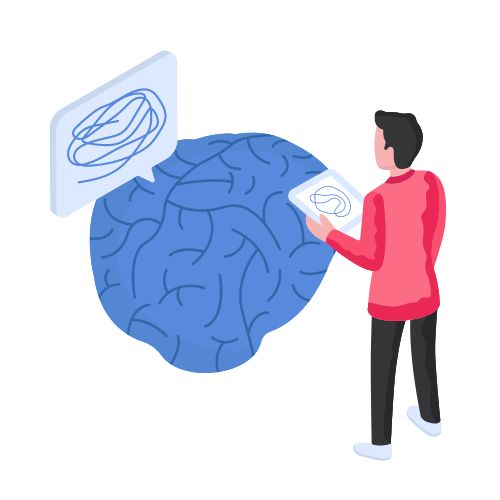
Focuses on thoughts, feelings and behaviours. The aim is to change how you think and what you do, by challenging negative thinking and how it affects your behaviour. Good for managing depression, mania, anxiety and long term conditions, such as bipolar disorder.
Group Psychoeducation

Group therapy led by a facilitator, where psychological coping skills are taught. Such as keeping track of daily rhythms, routines and the effects they have on mood and behaviour.
Interpersonal Therapy
Identifies interpersonal problems, such as managing conflict and maintaining friendships, and finds positive solutions.
Creative Therapies

Finds new ways of expression, outside of traditional talking therapies, using drama, music and art as psychological interventions.
Person-Centred Therapy
Offers unconditional positive regard, empathy and congruence to deal with negative feelings, experiences, foster positive change and development.
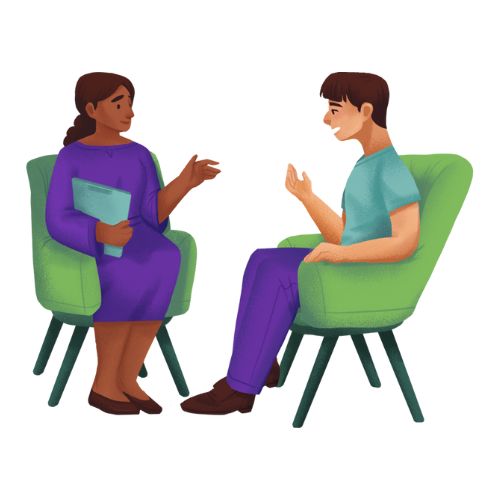
Other Therapies
- Eye Motion Desensitisation and Reprocessing (EMDR)
- Animal Assisted Therapies
- Family and Relationship Counselling
- Cognitive Therapy
- Behavioural Therapy
- Psychodynamic therapy
- Psychoanalysis
Useful Links
NAMI-different-types-of-therapy-for-bipolar-disorder
What are your experiences of therapy? Let me know by commenting below or follow me on X or Instagram
Early Warning Signs
The signs of oncoming illness, both low and high, include disturbed sleep, forgetfulness, clumsiness, hypersensitivity, irritability, emotional empathy, changes in appearance, sleep patterns, energy levels, and behavior. Tracking these can aid early intervention.

Help I’ve Just Been Diagnosed with Bipolar Disorder
You have just been diagnosed and you’re thinking what Now? What does this mean? Where do I go from here? Don’t Panic Your life is not over – quite the opposite. Congratulations on the first day of the rest of your life On average in the U.K. it takes 9.5 years, from first seeing a…

What is Bipolar Disorder?
Bipolar disorder involves extreme mood swings, from severe depression to intense highs. It affects 1-3% of the population, with symptoms often appearing in late teens. There are different types, each with distinct characteristics. The causes are thought to be genetic and environmental, but much remains unknown.

 Bipolar Rough Guide
Leave a comment