
Disclaimer: Always consult your doctor before stopping or starting any medication. Always seek guidance from a medical professional for any medication questions you have.
Bipolar disorder is a complex condition which often requires a combination of treatments, one of which is medication.
There are a range of different medications available, including mood stabilisers, anti-psychotics and anti-depressants, often with a combination being prescribed. They work by keeping your brain stable, lessening the severity of mood episodes, lifting your mood when depressed, calming you down when high, and treating psychosis.
There are also co-morbid conditions that meds can treat, such as anxiety and insomnia.
It can be a bitter pill to swallow, figuratively and literally, being told you have to take meds for the rest of your life. But, depending on the severity of symptoms, this is the reality for many of us.
Finding the right medication, dosage and combination, for you can take time. What works for one person, will not often work for another. We are all different and respond to medications in unique ways. You can also respond differently to your meds over time, so it is important to review your medications with your doctor from time to time.
Side-effects are sadly unavoidable for most but, again, will not be the same for everyone. Some experience weight gain, weight loss, libido suppression, fatigue, changes in appetite, hormonal changes, high cholesterol, abnormal blood pressure and metabolic changes. Regular blood tests and check ups are recommended with most bipolar medication regimes.
You will probably try different meds to find which work the best with the least, or most tolerable, side effects. It is important to weigh up the benefits against the negatives. I struggle with weight gain and fatigue, which upsets me, but I can live with it. I cannot live with being unstable, out of control and paranoid, as I am without my meds.
Types of Bipolar Medication
Lithium is the medication most often prescribed to bipolar patients – it can be a wonder drug for some, but it’s not for everyone. It works for about 30% of patients really well. In the U.K. this is the drug that doctors will often prescribe first after diagnosis, if it doesn’t work for you, or the side effects are too much, do speak to your doctor. There are other options. Make sure you advocate for yourself.
Mood-Stabilisers – These include drugs such as Lithium, certain anti-convulsants and anti-psychotics.
Anti-Convulsants – Including Lamotrigine, valproate and carbamazepine. These drugs can be prescribed for bipolar, as well as epilepsy. I have taken Lamotrigine for several years now as a mood stabiliser.
Anti-Psychotics – They might sound scary but they don’t have to be. They include Haloperidal, Olanzapine, Quetiapine and Resperidone. I take Quetiapine when I’m hypomanic so I don’t escalate into mania.
Anti-Depressants – These are often prescribed alongside mood-stabilisers and anti-psychotics to lessen the severity of episodes depressive episodes. However anti-depressants can cause mania or hypomania in bipolar patients, so are not often prescribed without a mood stabiliser. The most commonly prescribed are SSRIs (selective serotonin reuptake inhibitors) which include fluoxetine, paroxetine and citalopram. I currently take Venlafaxine along side a mood stabiliser every day. This also helps me with my anxiety.
Always talk to your doctor before making any changes to your medication. Never suddenly stop taking a medicine. Doses need to be titrated down when stopping, and slowly increased when starting, a new drug.
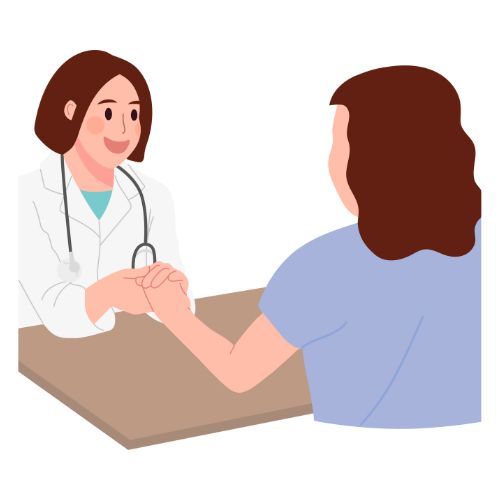
Organising your Medication
Taking your medication as prescribed, which is usually everyday, is very important. Missing doses can jeopardise our stability, although it is easily done, it’s something I’m certainly guilty of. To avoid this, try to include your meds with your daily routine, set alarms on your phone and create calendar reminders to request repeat prescriptions. If you have multiple pills, or doses to take, a pill box organiser can help you keep on top of your meds.

Medication is just one part of bipolar treatment, psychological therapy is also very important. You need both. I liken using one without the other to being in a row boat with only one oar. You’re only going round in circles, and you wont move forward until you use both oars.
Of course, some people, don’t use medication. I’m not here to be pro or anti pharmaceutical drugs. All I know is taking medication is a personal decision, which enables me to live a life worth living. No one should shame you for your decision to take or not to take medication.
Occasionally , I have experienced stigma from others, who in their ignorance, think taking psychiatric medication is a bad thing. I only ask them, “Would you say the same thing to a diabetic taking insulin, or an asthmatic using an inhaler?” Because bipolar is a serious disease that can kill if untreated, it’s no different than a disease affecting any other part of the body.
Useful Links
NHS-UK-bipolar-disorder-treatment
BipolarUK.org – medical-treatment
What are your experiences with bipolar meds and side effects? Comment below or follow me on Instagram and X
Blog
Read More:
-
Stress Bucket
How full is your stress bucket…
-

Coping in a Bipolar Crisis
These are my strategies for coping in a bipolar crisis.
-

Early Warning Signs
The signs of oncoming illness, both low and high, include disturbed sleep, forgetfulness, clumsiness, hypersensitivity, irritability, emotional empathy, changes in appearance, sleep patterns, energy levels, and behavior. Tracking these can aid early intervention.
-

Help I’ve Just Been Diagnosed with Bipolar Disorder
You have just been diagnosed and you’re thinking what Now? What does this mean? Where do I go from here? Don’t Panic Your life is not over – quite the opposite. Congratulations on the first day of the rest of your life On average in the U.K. it takes 9.5 years, from first seeing a…
-

What is Bipolar Disorder?
Bipolar disorder involves extreme mood swings, from severe depression to intense highs. It affects 1-3% of the population, with symptoms often appearing in late teens. There are different types, each with distinct characteristics. The causes are thought to be genetic and environmental, but much remains unknown.
-
Bipolar Survival Toolkit
These are the Bipolar Survival Tools that allow me to manage my illness
Subscribe
Enter your email below to receive updates.

 Bipolar Rough Guide
Leave a reply to Therapy for bipolar disorder – Bipolar Rough Guide Cancel reply