
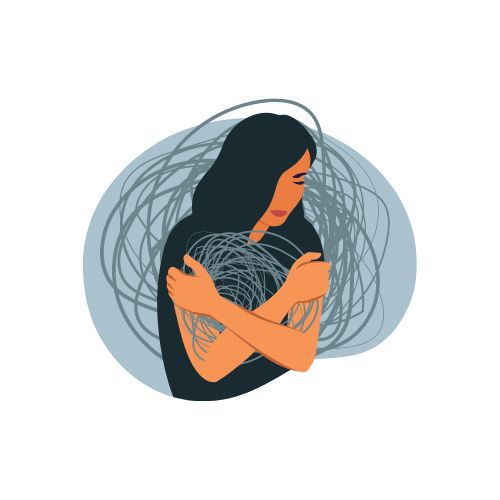
Co-morbid conditions are common with bipolar disorder, anxiety disorders being the most common. In fact, anxiety disorders can be up to seven times more likely to occur in people with bipolar, than the general population, with over half of us suffering with it at some point in our lifetime. (Priory Group – Bipolar and Anxiety)
Anxiety disorders can increase our risk of suicide, psycho-social and personal dysfunction. It can increase the chances of psychosis, treatment resistance, substance abuse, as well as greater impairment and poorer quality of life.

The presentation of anxiety disorders can also complicate and delay the diagnosis of bipolar, as well as complicate treatment. For example the SSRI medications that are commonly used to treat anxiety disorders can trigger mania or hypomania. (PsychiatricTimes.com)
Symptoms of mania can be missed when someone has a co-morbid anxiety disorder, which can delay and complicate a bipolar diagnosis.

Personally, I have suffered with PTSD and continue to suffer with Social Anxiety and Agoraphobia. This creates many extra challenges when managing a bipolar mood episode and also affects me when I’m stable. However, the anxiety disorder symptoms do increase in severity when I’m depressed.
Types of Anxiety Disorder
OCD – Obsessive Compulsive Disorder
Often confused with being tidy and fastidious, OCD is in fact a debilitating anxiety disorder that causes a cycle of obsessions and compulsions. Intrusive and distressing thoughts, feelings and images that will not go away, with compulsive behaviours manifested to reduce the distress of the intrusive thoughts. These repetitive behaviours can seriously impair day to day life and relationships. (Mind.org – Obsessive Compulsive Disorder)
GAD – Generalised Anxiety Disorder

Generalised anxiety disorder causes uncontrollable anxiety around a variety of situations and issues. These fears can take over a sufferers life, with constant worry and anxious thoughts that they find difficult to control, which can seriously impair daily life. (NHS – Generalised Anxiety Disorder)
Agoraphobia
People often assume that this anxiety disorder means sufferers have a fear of wide open spaces or cannot ever leave the house. In reality it is far more complex than that. Agoraphobia can make leaving home very stressful due to a fear of crowds, people or public transport for example. There is often a fear of not being able to escape a stressful situation when things go wrong. Avoiding spaces and situations that can cause feelings of panic and terror is common, as well as a fear of being trapped or helpless, panic attacks and embarrassment. It can develop from a panic disorder. (NHS – Agoraphobia)
This is the anxiety disorder that impacts my life the most.
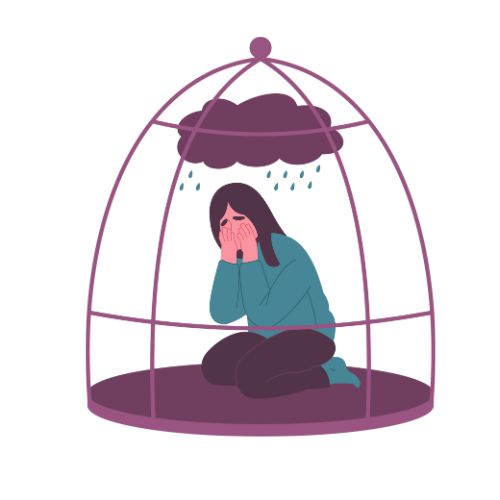 I believe it has developed as a result of having PTSD, and a reaction to the shame and embarrassment about things that have happened when I was very unwell. I can leave the house, but I have a limited number of places, routes and modes of transport I feel comfortable with, causing me to avoid many places and situations. My life currently exists within a four mile radius of my home unless I can be accompanied by someone I trust. It is something I am always working on, trying to push myself out of my comfort zone.
Social Anxiety
Events and behaviour that have occurred during manic episodes can add to social anxiety, shame and embarrassment. Bipolar sufferers can also often suffer from low self-esteem which contributes to anxiety in social situations. Sensory overload – hypersensitivity to noise, light etc can increase anxiety in public.
Sometimes I have anxiety about having anxiety, worrying, am I going to have a panic attack? Will I be able to cope or will I embarrass myself? Is it going to be too busy, too many people or too noisy?
PTSD – Post Traumatic Stress Disorder

Post traumatic stress disorder is six times more likely to occur in people with bipolar. Trauma can be a trigger for bipolar and there is a risk of traumatic experiences in severe mood disorders which can develop into PTSD.
PTSD is triggered by witnessing or experiencing a very frightening, stressful or distressing incident or series of events. Symptoms can include anger, hypervigilance, panic attacks and flashbacks.
ptsduk.org is a great resource to find out more.
These are the most common co-occurring anxiety disorders with bipolar disorder. But this list is by no means exhaustive.
What Can We Do to Help Ourselves?
- Therapy – CBT (Cognitive Behavioural therapy) – DBT (Dialectical Behaviour Therapy) – Exposure Therapy and others
- Daily Exercise and a Healthy Diet
- Avoid Alcohol and Caffeine
- Relaxation Techniques
- Understand your thoughts, fears and where they come from
- Medication – Speak to your doctor
- Self-Help Strategies such as breathing techniques and meditation

How to Manage a Panic Attack
Stay put, don’t run (pull over if driving)
Focus on something neutral (such as your watch, colours you can see or items on a shelf)
Breathe deep and slow Anxiety Coach.com – Breathing Exercises
Understand and rationalise your fear, reframe your thoughts to reassure yourself
Visualise a peaceful scene (such as a beach or woodland)

Useful Links
Mind.org – Anxiety and panic-attacks
NHS Inform – How to Deal with Panic and Anxiety

 Bipolar Rough Guide
Leave a reply to Bipolar and anxiety part 2 – Bipolar Rough Guide Cancel reply