
As bipolar sufferers we have an extra challenge to face when we are unwell with other illnesses. Whether it’s a nasty cold, or a serious chronic illness, we have to manage our mental health alongside it, or we can experience a bipolar crisis. We can also experience difficulties managing other conditions because of our bipolar symptoms.

Difficulties Impacting Bipolar Management
- Loss of routine
- Lack of exercise
- Stuck indoors- lack of sunlight
- Stress caused by pain and fatigue

- Uncertainty and worry
- Isolation
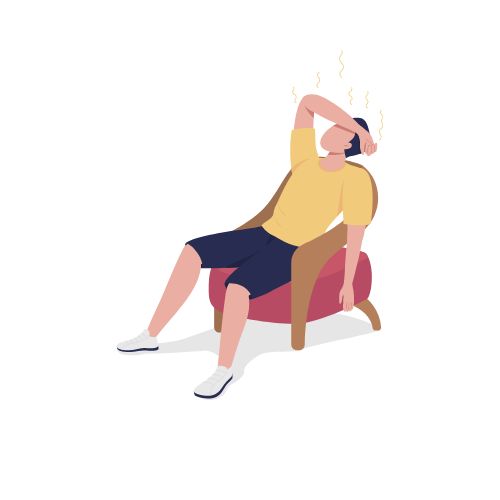
- Lack of motivation to take care of ourselves and our comorbid conditions
- Drugs and treatments can effect our mental health
- Illness itself effecting the brain e.g. thyroid issues
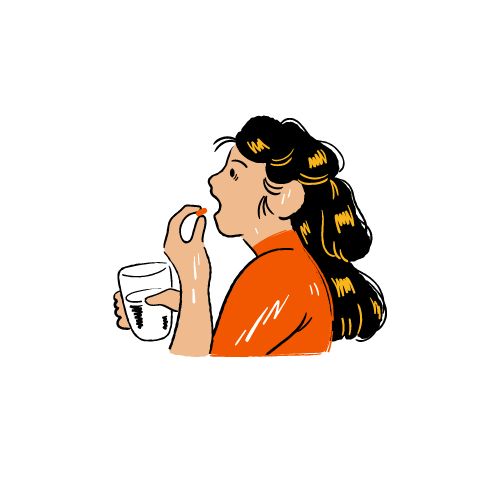
Those of us with serious mental illness are more likely to suffer with physical ill health than the general population. This can be because of medication side-effects, abuse of substances for self-medication, poverty and high cortisol levels released by long-term stress.
Mayo Clinic – Stress-management
Management of long-term health conditions when experiencing bipolar symptoms can be difficult. It can be a struggle to keep appointments, manage medications and maintain self-care with a healthy diet.

Fear of repeating negative and traumatic experiences with healthcare settings can also deter some from seeking the care they need. Involuntary hospitalisation, stigma, discrimination and not being believed are all too common experiences that can deter some bipolar patients from engaging with healthcare services. evidence.nihr.ac.uk
Helpful Strategies
- Talk to someone
- Ask for emotional and practical support when you need it

- Adapt your routine
- Exercise to your capabilities, for example doing armchair yoga instead of your usual yoga class
- Rest. Don’t over do it, accept your limitations.
- Relaxation, mindfulness and meditation

- Self-care – use your bipolar toolkit
- Sleep
How has your physical health affected your mental health? Do you have any strategies? Share your thoughts below or on social media.
From the blog
Stay up to date with the latest from our blog.
-
Sleep Hygiene
Sleep disturbance is very common in bipolar patients, even when stable. Falling and staying asleep can be a challenge.
-
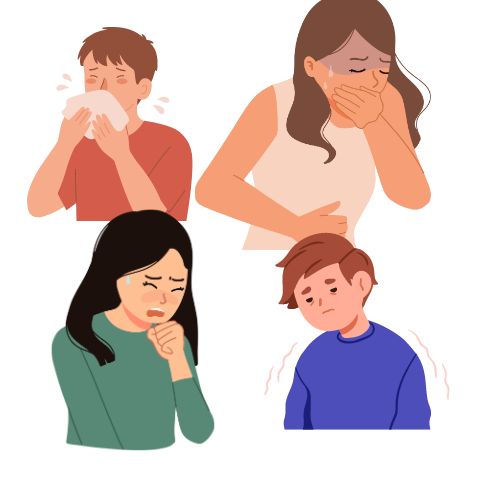
Managing Bipolar with Physical Ill Health
As bipolar sufferers we have an extra challenge to face when we are unwell with other illnesses. Whether it’s a nasty cold, or a serious…
-

Stress Bucket
How full is your stress bucket…
-

Coping in a Bipolar Crisis
These are my strategies for coping in a bipolar crisis.
 Bipolar Rough Guide
Leave a comment