

This can be a scary and difficult time. Remember this will pass.
Hold on and keep yourself safe.
These are my strategies for coping in crisis.
Routine
Maintain some kind of basic routine, however simple, to provide your self with some structure. When in crisis, and struggling to function, I find it helpful to build in one simple task to achieve each day. That could be anything, from having a shower to doing the dishes.
Write yourself a list for the day, such as:

- Get out of bed for 9am
- Have a shower and put clean clothes on
- Eat something
- Brush my teeth
- Go to bed 10pm
Sleep
Keep a sleep routine, getting up and going to bed at the same time. You may You maybe struggling with sleep, but it is important to try. 
Observe good sleep hygiene to help you get the right amount. It is important to get enough sleep, however much that is for you.
Personal-Hygiene
Keep up with your personal hygiene if possible.
That may mean just doing one hygiene task per day, if that’s all you can do.
It is less daunting to think about doing just one task, so I find I am more likely to do it.
Compromise, If you can’t face a shower, have a wash instead. Can’t brush your teeth, swish some mouthwash. It will help you feel a little bit better if you can summon the energy.
Communicate
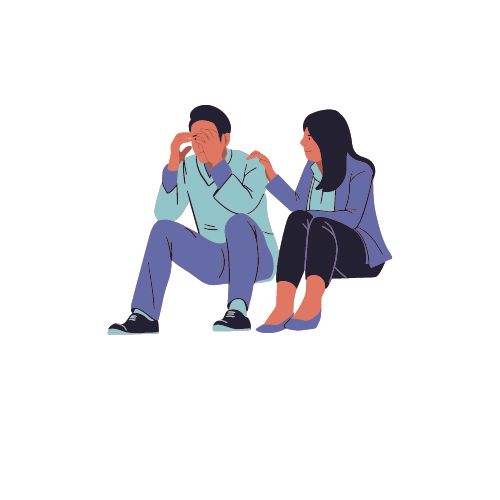
Talk to someone, avoid self- isolating if possible. Try to communicate with someone every day. That may just be a text or phone call, or a five-minute interaction with a friend, family, or a support service. This can help you to avoid being overwhelmed by strong emotions and upsetting thoughts. It also gives you a chance to reframe your thoughts and get a different perspective.
Keeping a diary, or notebook about your thoughts and feelings can also help you deal with them.
Exercise

It helps to get some kind of exercise. That may be a couple of gentle stretches, a walk out into the garden for a minute or two. Whatever you can manage. Maybe a gentle walk or stay home and do an exercise routine on YouTube.
Outdoors
Get some fresh air if possible, open a window if you can’t go outside.
Exposure to sunlight increases vitamin D which helps regulate mood, reduce depression and anxiety. Healthline.com Vitamin D
Media
Ration your use of, or avoid altogether, social media, news channels and news sites. When in crisis I tend to stay off the internet all together. It can be triggering and stressful.
Relaxation Techniques
Find a way to relax your mind and body. For some people that looks like taking a bath, listening to music, doing gentle yoga, practicing mindfulness breathing or spending time with a pet.
This can help when you are feeling anxious or distressed.
Your relaxation technique will be personal to you. It can be something you enjoy, such as a favourite film or book. Or even a favourite blanket.
Distraction can also help when distressed. Music, film and T.V. are good for this, something light-hearted that doesn’t require much focus. Maybe you have a favourite show you like to binge watch.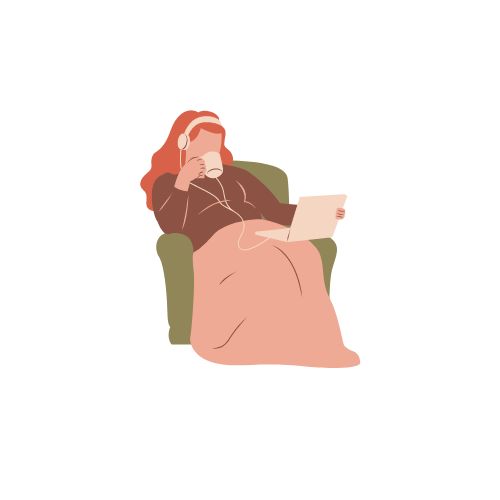
Do you know the phrase “take it a day at a time?” When I am in crisis, and cannot see how I’m going to get through a whole day, I take it as little as an hour at a time. Staying in that small timeframe and not looking at the future, or past, allows me to avoid catastrophising and getting overwhelmed.
Rest
Rest and avoid stress wherever possible. You may need to be off work, college or university. Ask for support, such as deadline extensions, help with responsibilities and help around the house.
Mindfulness & Meditation
Studies have shown that practicing mindfulness can reduce depression and anxiety, I also find it helps to reduce racing thoughts. (Note: If you have PTSD mindfulness exercises may not be suitable for you outside of a therapeutic environment.)
Mindfulness skills are best learnt when you are not in crisis because it is hard to learn new skills when very unwell.
“Mindfulness exercises are ways of paying attention to the present moment using techniques like meditation, breathing, and yoga. Training helps people become more aware of their thoughts, feelings, and body sensations so that instead of being overwhelmed, they’re better able to manage them.” Mentalhealth.org – Mindfulness
Mindfulness practice is a good starting point to learn to meditate. It is not for everyone but it helps many find some peace in the storm.
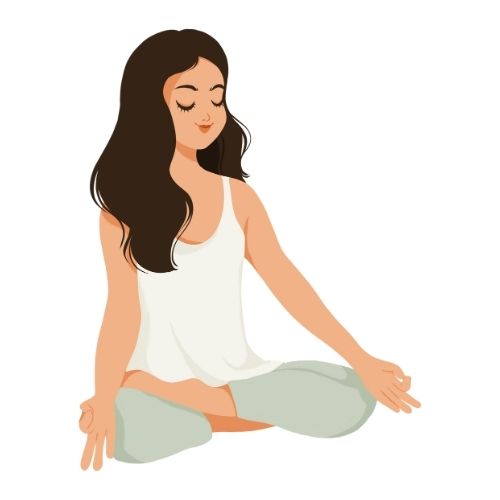
Personally I find mindfulness and meditation help me retain self-awareness of my thoughts and feelings. Which gives me the ability to check in with myself to see how I am feeling, and take action before I am overwhelmed.
Breathing exercises for anxiety help me avoid stress escalating into panic attacks.
Gratitude
Find something you can be grateful for every day. Such as having a home, having your physical health, the people in your life, having food, or living in a peaceful country.

It is hard to do this in the grip of depression, but it is a small way of fighting back.
Medication
Ensure you have a good supply of medication. It is a good idea to keep a small back up supply of them, say a weeks’ worth, in case you become too unwell to go to the pharmacy. Maybe set up a prescription delivery service or have someone collect them for you. Also have a reminder to order your repeat prescriptions. The last thing you need in a bipolar crisis is a medication withdrawal.
Diet
Pre-prep some healthy meals to freeze when I am well, so when I am in crisis and have an appetite I have something healthy to eat. It is important to eat something, whatever it is.
Also remember to keep well hydrated. I have to remind myself to drink by adding it to my to do list for the day when I’m ill.
Substances
Avoid drugs and alcohol if you can. If you are not able to do that try to be mindful of your consumption. When we are feeling strong, painful emotions, we often self-medicate for relief, but try not to make your mental state worse.
Self-Talk
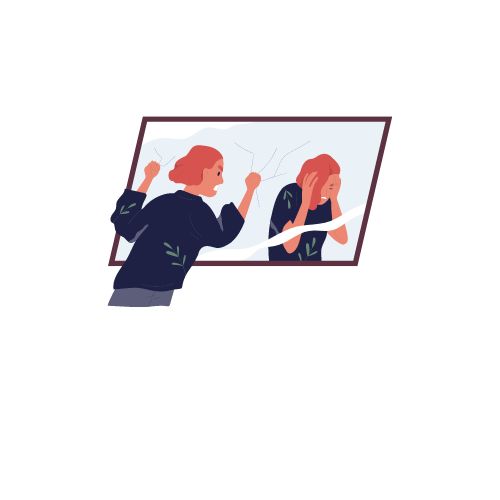
Be kind and gentle with yourself. Forgive yourself for being sick. Offer yourself the same compassion you would to anyone else who was suffering. You are resting and recovering, do not feel guilty about it. You are not lazy, you are unwell.
What if you had the flu? Would you be hard on yourself then?
Your brain may be telling you all sorts of horrible things about yourself that’s not true. I think of the intrusive thoughts as a little bipolar gremlin, talking nonsense to me. It’s annoying, but not to be taken seriously.

Don’t give up, you are important, you are loved.


 Bipolar Rough Guide
Leave a comment