

Those of us with bipolar disorder experience periods of deep depression and periods of extreme highs (hypomania/mania), as well as periods of stability.
“Bipolar is a severe mental illness characterised by extreme mood swings and changes in energy levels.”
https://www.bipolaruk.org/understanding-bipolar
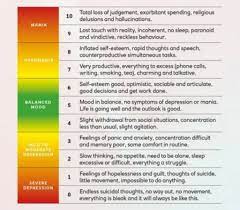
Most people experience lows and highs of course, but the bipolar mood swings are much more extreme. The bipolar mood scale ranges from 0 – 10. 0 being a severe, suicidal depression – 10 being extreme manic high with psychosis.
Most people experience moods between 4 – 6 on the mood scale. https://www.bipolaruk.org/FAQs/track-your-mood-scale
If that’s not enough to contend with, we also can experience a mixed state; where we have depression and mania symptoms at the same time. (Personally I find this most dangerous of moods – the darkness of depression with the energy of mania – a recipe for trouble if not managed well. )

Bipolar can effect anyone from any background
- 1 million people in the U.K. are thought to suffer with bipolar disorder.
- It effects between 1-3% of the population.
- Symptoms most often appear in late teens – early adulthood. 50% of sufferers show symptoms before the age of 21.
Bipolar 1 & Bipolar 2
Bipolar disorder is often categorised as bipolar 1 and bipolar 2.
- Bipolar 1 – is characterised by extreme highs called mania (numbers 9 & 10 on the mood scale above) and depression.
- Bipolar 2 – is characterised by deep depressions and highs called hypomania – numbers 7 & 8 on the mood scale. People suffering with bipolar 2 often have longer and more frequent episodes of depression.
What is depression?
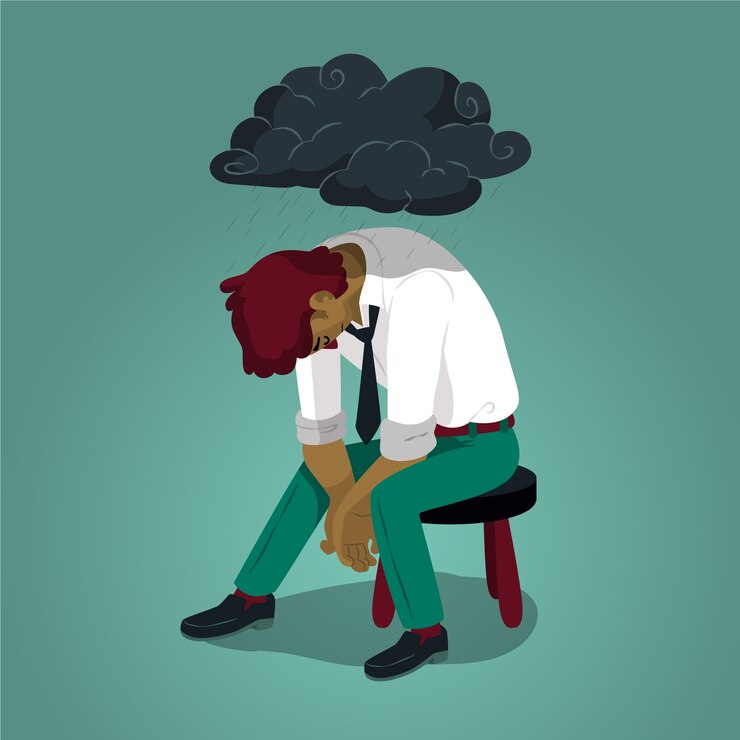
- Experiences of depression range from mild to severe and can be debilitating. Symptoms can be emotional, cognitive and physical Such as:
- Fatigue – exhaustion
- loss of motivation
- loss of appetite or eating more than usual
- Trouble sleeping or sleeping too much
- Aches, pains and a ‘heavy’ feeling in the limbs
- Negative, dark and self denigrating thoughts
- Feeling hopeless, sad, emotional, empty or numb
- Agitation and anxiety
- The desire to isolate and avoid things you normally enjoy
- In severe depressions, thoughts and compulsions of self-harm and suicide
- Increased substance abuse
What is Mania & Hypomania?

- Symptoms of mania include –
- Extreme elevation in mood
- Increased libido – hypersexuality
- High risk behaviour
- Impulsiveness & obsessions
- Not sleeping much or at all
- Fast thoughts – racing mind
- Irritable – prone to rage
- Grandiose and extremely confident
- Hallucinations and delusions
- Increase in alcohol and drug consumption
What is Psychosis
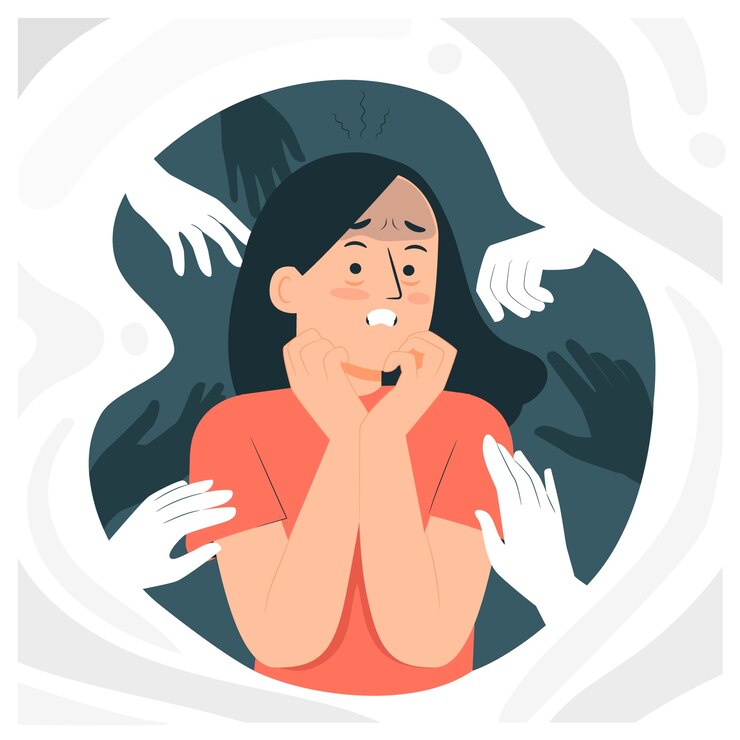
It is where you lose touch with reality, experiencing delusional thoughts, hallucinations and paranoia. This can be experienced in severe cases of depression and mania.
What causes bipolar disorder
Bipolar disorder is thought to be a system or chemical imbalance in the brain which creates difficulty in regulating one’s mood. . Although that is only a theory, little is known about the neurological processes that cause it. 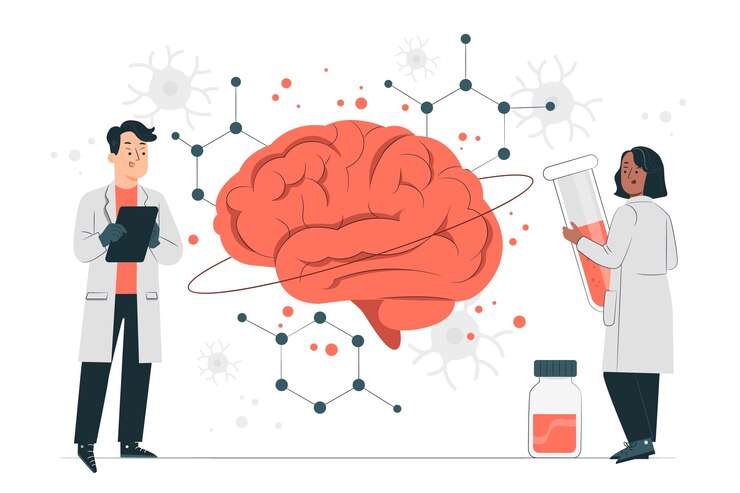
It is thought to be mostly a genetic condition but there is no single gene responsible. There is thought to be an environmental component as well, with exposure to adversity and trauma in childhood and adolescence, thought to be a ‘trigger’ for the illness to develop.
Despite the leaps and bounds of modern medicine little is still known about this mysterious and powerful organ we call the brain.

Connect with me on social media or leave a comment below:

 Bipolar Rough Guide
Leave a reply to How to keep a mood diary – Bipolar Rough Guide Cancel reply