
A List of tools to manage and survive bipolar disorder
These are the Bipolar Survival Tools that allow me to manage my illness:
Education

Learn about your illness, I cannot stress this enough. Knowledge is power after all.
Don’t rely on healthcare providers to give us all the information we need to arm ourselves in the fight for wellness. It is essential to learn about bipolar disorder so you can advocate for yourself.
Personally, I have learnt the most about bipolar, and the realities of managing it from my peers. Fellow sufferers can give us a perspective that mental health workers can’t.
Medical resources are also important such as NHS Bipolar Disorder
There are online and in person support groups, and plenty of resources online; such as this blog and others.
Self-observation for Early Intervention
Learn about how your illness affects you. Observe your emotions, triggers, cycles and early warning signs, so you can take action. I find the Bipolar UK mood scale helps me observe and understand my mood levels. Keeping a diary of your mood score can give you invaluable insights. 
Bipolar UK has a really useful app which you can use to record your mood and any other factors.
Sleep
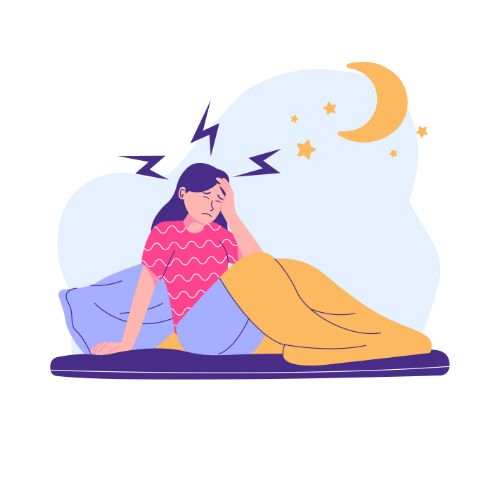
Sleep is ESSENTIAL . One of my biggest triggers is a lack of sleep. It doesn’t help that one of the symptoms of bipolar disorder is struggling with insomnia, so this is something we need to take seriously and work on managing. Certain meds can help but it is important that we work on our sleep hygiene to improve our natural circadian rhythms. These are my insomnia management tips.
- Avoid looking at screens for at least an hour before bed. The blue backlight on phone and tablets gives our brains ‘wake up’ signals
- Regular sleep schedule – go to bed and wake up at the same time everyday
- Wind down before bed – avoid stimulating activities
- Keep your bedroom as a sleep sanctuary reserved for sleeping if possible. No T.V. or computers, put up black out curtains, soothing colours and décor
- Use a sleep mask to block out the early sunlight in summer
- Sleep apps are useful to some. Personally, I like listening to brown noise if I can’t shut my brain off to sleep
Mind – Tips to improve your sleep
Headspace App – Sleep app
Medication
Always talk to your doctor about medication. I will not say much on this topic as I am not a medical professional. I can only speak of my own personal experiences.
Personally I have found being on the right medication has changed my life. It gives me the ability to reduce my symptoms to a point where I can manage them with my tools in my survival toolkit. The meds take me halfway to stability and I do the rest with careful management.
There are many medications out there to treat bipolar disorder.
Mostly anti-psychotics and mood stabilisers.
Finding the right combination of medications to treat a complex range of symptoms can take some time. It is vital you advocate for yourself when you are having problems with your meds.
Therapy
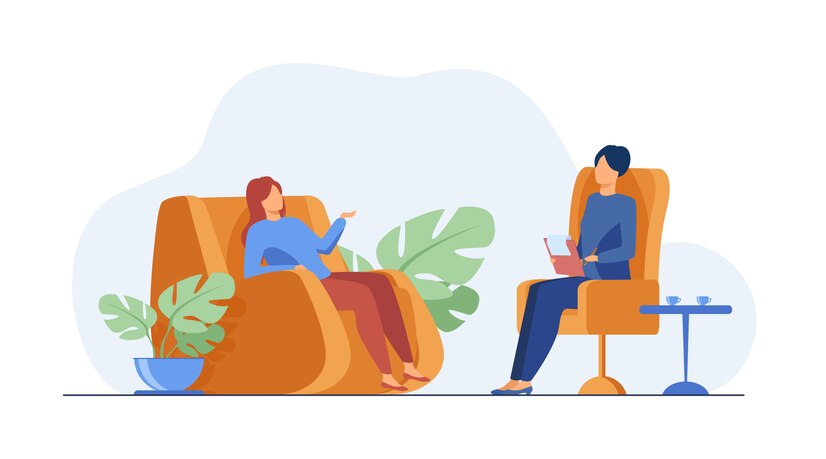
There are various types of therapy available:
- Talking therapies
- Cognitive behavioural therapy
- Person-centred therapy
- Dialectical behaviour therapy
- Psychotherapy & others
There are also alternative therapies such as equine therapy, music, and art therapy.
NHS talking therapies Mind – talking therapy and counselling
Support
Having support from others, such as peers, family, friends, medical professionals, support groups and even animals is important 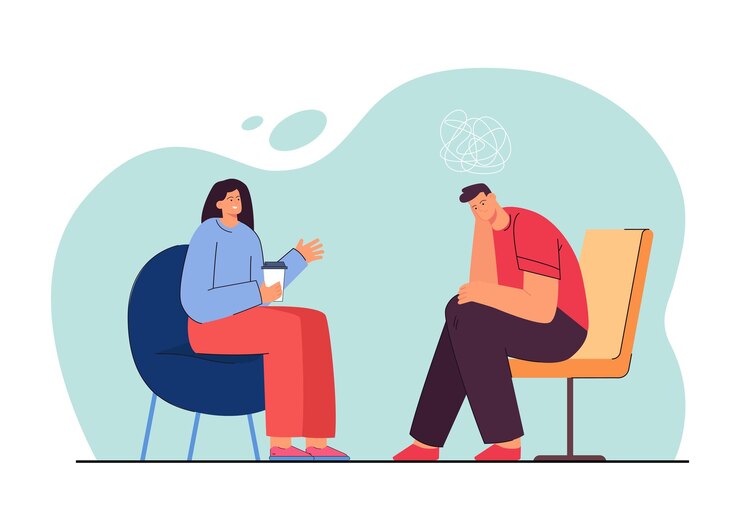
Self-Care
However that looks like for you. For me self care is
- Avoiding alcohol and other substances
- Maintaining a healthy diet
- Getting plenty of rest
- Outdoor time
Routine
Routine can be boring, but I have found it is important in maintaining stability and a level of functioning when I’m unwell with hypomania or depression.
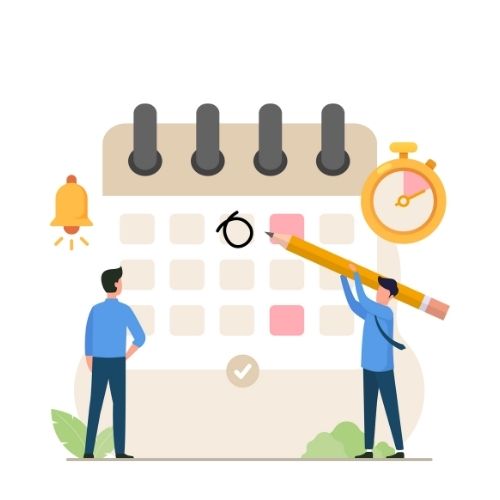
Day and week planners help me to organise myself and stay on track, as I can be easily distracted from my schedule.
Exercise
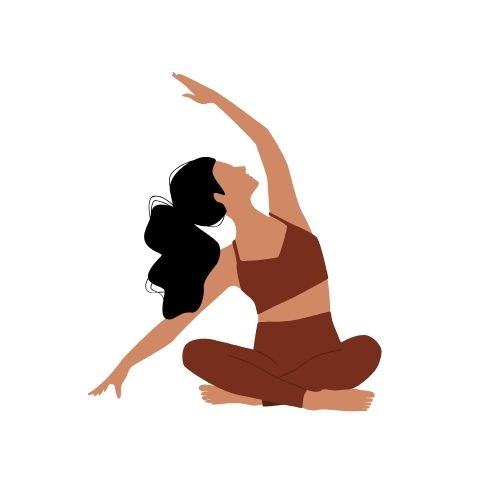
Daily exercise an important factor in my bipolar management. Find what works for you; it could be anything, from chair yoga to marathon running. Personally, I cycle, swim, and do yoga. I make sure I do at least one of those things a day. (Be mindful of cardio stimulation when hypomanic/manic as it can make things worse.)
Stress-management
Stress is a massive trigger for many of us so it is essential we learn to manage it.
- Establish good boundaries with other people
- Create a less stressful environment for yourself if possible
- Learn what stress relief techniques work for you e.g. meditation, exercise, a hot bath, aromatherapy etc
- Know your stress triggers
Mindfulness, Meditation and Gratitude
Personally I have found mindfulness techniques help me quiet my mind. 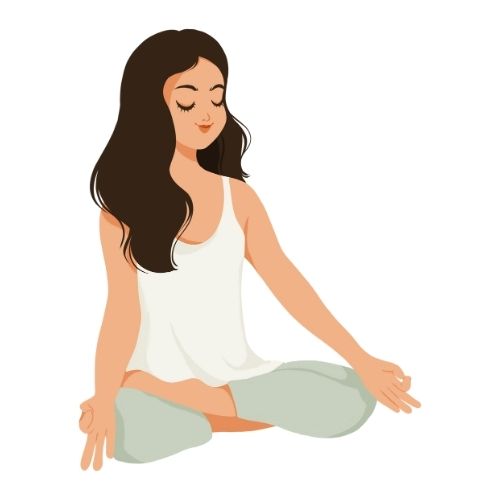
Practicing mindfulness has led me on a journey, learning to meditate which has found me some peace and gratitude.
Hobbies
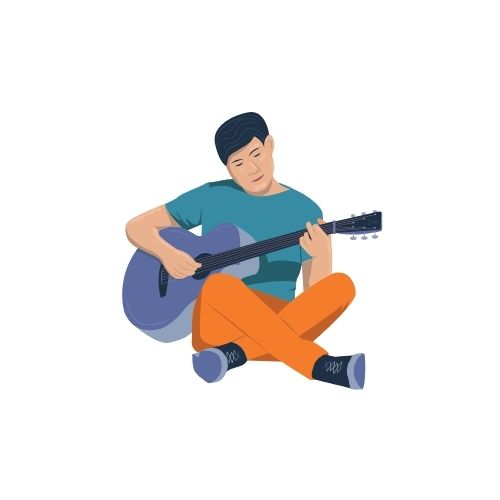
Having something you do just for the enjoyment of it is important to getting through low periods. Something that makes you happy, could be gardening, sport, walking, playing a musical instrument, knitting, dancing etc. My hobbies are gardening, music, and horses. These things get me through the difficult periods.
Bipolar sufferers find solace in creative activities, exploring your creativity can be very therapeutic.

Which tools are in your bipolar toolkit? Let me know by leaving a comment below
Useful Links:
Bipolar UK Mind NHS talking therapies Headspace App
CONNECT WITH ME ON SOCIAL MEDIA OR LEAVE A COMMENT BELOW

 Bipolar Rough Guide
Leave a reply to Gratitude and bipolar disorder – Bipolar Rough Guide Cancel reply