

A mood diary does exactly what it says on the tin – you record how you are feeling, so you can keep track of your mood changes. You can also keep a track of your meds, your sleep, food, triggers, day to day stressors, successes, and self care.
- A mood diary can work as an early warning system for depressive, hypomanic and manic mood swings.
- It can be helpful to have a record of your mental health to share with your doctors and health care team.
- Filling in your mood diary can act as a reminder to check in with yourself and how you are feeling.
- My diary also helps me remember to take my meds.
- You don’t have to do it everyday – do it as often as you feel you need to.
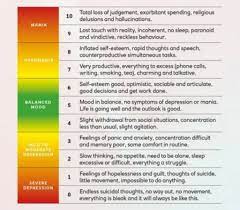
- You can use the Bipolar UK mood scale to monitor and record your moods.
Example
“Today I feel low, maybe a 4 sometimes dipping to a 3. Got 6 hours sleep – restless. Took meds last night and this morning. Work has been tough this week so I feel quite stressed. I have done 20 minutes of yoga and had a bath to relax.”
Of course you can write it however you want – it’s your bipolar survival tool – make it work for you.

There may be days when you are not feeling well enough to keep up with your diary – that’s okay, you can return to it and backdate how you’ve been feeling later on.
Resources
You can use the Bipolar UK mood diary template https://www.bipolaruk.org/FAQs/track-your-mood-diary
There is also the great Mood Tracker App from Bipolar UK and Andrew Thompson – I use this myself and find the daily notifications a great prompt to check in with how I’m feeling and take my meds. https://www.bipolaruk.org/blog/track-your-mood-app
O
Connect with me on social media or comment below. Do you have a mood diary? How do you organise it?
Useful Links:

 Bipolar Rough Guide
Leave a reply to Bipolar Survival toolkit – Bipolar Rough Guide Cancel reply