

Over the years I have observed several signs that I am getting sick. If I am slipping into an episode of depression or hypomania I have early warning signals, that, if I notice them, give me the opportunity for early intervention. This can reduce the severity and impact of the mood swing.
General Signs
There are some signs that can indicate both a low or a high coming on. Your signs can be different and in isolation, they are not necessarily signs of illness.
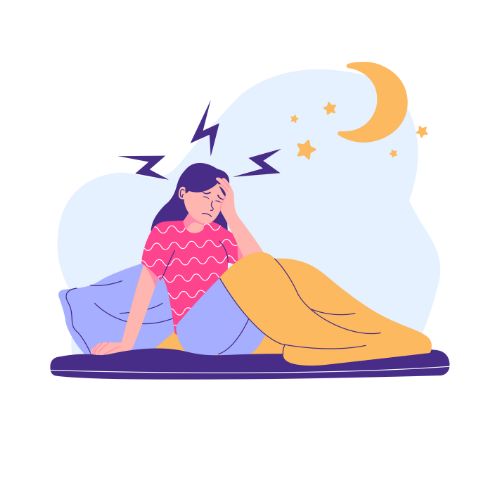
- Disturbed Sleep – Very intense dreams and nightmares, often accompanied by night sweats (My partner tells me I talk in my sleep and am very restless when I’m becoming unwell. I also have trouble staying asleep, often waking up at 3am unable to fall asleep again.)
- Increasingly Forgetful – Missing appointments, forgetting events and tasks (I struggle to keep up with messages, phone calls and emails.)
- Clumsier – Bumping into things, tripping, and dropping things
- Overwhelmed Easily by stressful situations, with an increase in hypersensitivity to sensory information.
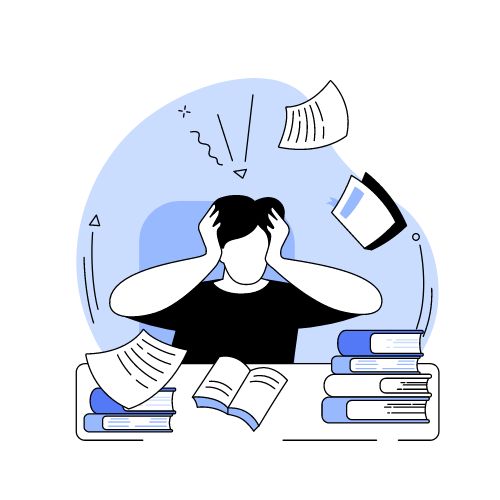
- Sensory Overload happens in everyday situations that are normally manageable
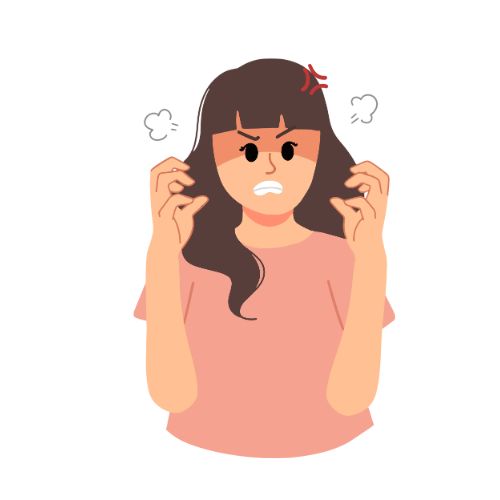
- Irritable and quick to Anger
- Over Empathising and overly emotional
Signs of Depression approaching
- Eyes – look duller than usual (personally I can’t see the difference myself but those close to me can tell me they look duller.)
- Handwriting becomes sloppy and harder to read (I have long lazy pen strokes with little definition between letters.)
- Sleeping More – Sleeping or wanting to sleep during the day
- Aches, Pains, and Heaviness – I start to feel heavy and sore in my muscles and joints (I also have an increasing sense of heaviness to my body, everything feels harder.)
- Draining Energy levels
- Eating more than usual – comfort eating, craving carbs, fat and sugar

- Lack of Motivation to do the things I normally enjoy.
- Submissive – my demeanour is generally a lot more passive.
Signs of Hypomania Approaching

- Singing ALL the time
- Eating less – loss of appetite
- Sleeping less – trouble falling and staying asleep
- Focus issues – difficulty staying focused on tasks; writing, reading, watching T.V. and listening to others speaking
- Socialising more – extra talkative
- Increased Substance use and libido (Yes I get extra thirsty…)

- Teeth Grinding and jaw tension
- Eyes Sparkling (I can see this myself in the mirror)
- Multi-tasking – Badly (I find myself trying to do several things at once, and consequently, not achieving anything)
- Quick to Anger – easily irritated
Of course, your early warning signs are going to be individual to you. It requires observation to learn your own rhythms.
Another good reason to keep a Mood Diary.
Early Intervention
So, what do we do now? This is your opportunity for early intervention. That may be:
- Contacting your care team or G.P.
- Confiding in your partner and loved ones
- Time off work
- Asking for extra support

- Resting and avoiding further stress
- Adding extra medications as directed by your doctor
- Exercise
- Sleeping if you are not getting enough
What Are Your Early Intervention Strategies? Do You Have a Care Plan in Place?
Comment below:
Useful Links:
https://www.bipolaruk.org/faqs/track-your-mood-diary: Early Warning Signs https://www.bipolaruk.org/blog/track-your-mood-app: Early Warning SignsCONNECT WITH ME ON SOCIAL MEDIA OR LEAVE A COMMENT BELOW:
 Bipolar Rough Guide
Leave a comment