

Gratitude as a daily practice has been instrumental in surviving my bipolar depression.
Recognising and affirming the positive blessings we receive in life really can boost your mental well-being, build resilience and increase your happiness.
Training your brain to notice the little things – and be thankful for them – shifts your perspective turning the negative to a positive.

Benefits of Gratitude
- Reduces stress
- Strengthens relationships and deepens personal connections
- Increases happiness
- Reduces anxiety and depression
- Reframes negative thoughts to positive thinking
- Improves sleep
- Strengthens the immune system
- Increases optimism
- Reinforces positive feelings
- Promotes kindness
- Fosters a sense of appreciation
What Does it Mean to Practice Gratitude

- Recognising and affirming the everyday moments of goodness
- Noticing the little things in life – such as your morning cup of coffee or the warmth of the sun on your face
- Being thankful for the blessings you receive
- Acknowledging the positive roles others play in your life
- Showing gratitude to the people in your life
- Being authentically grateful in your everyday interactions

How to Practice Gratitude
- Take a walk
- Slow down and look around
- Tune into the sights, smells and sounds
- Practice mindfulness – Mindfulness Gratitude Exercises
- Meditation – 15 Minute Gratitude Meditation
- Be aware – notice your surroundings
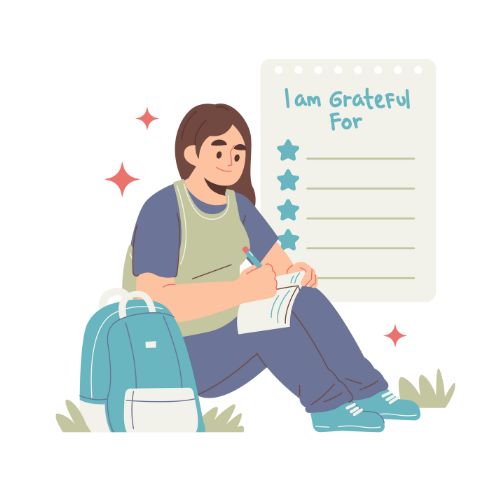
- Journal or make lists of the things you are thankful for
- Remember how far you have come
- Show appreciation saying authentic thank yous
- Express gratitude and show appreciation to the positive people in your life
- Engage in acts of kindness. Giving someone a friendly smile can change the course of both your days
- Reframe your thoughts to positive – being mindful of the language you use in your inside and outside voices

Gratitude and Bipolar Disorder
Practising gratitude can be a powerful tool in your bipolar disorder survival toolkit. It can reduce depression, anxiety, stress and anger. Being thankful can keep us from ruminating on the past or future and keep us in the moment.
Not focusing on the negatives can change your underlying thought patterns and reframe your thinking. Living more in the present, can reduce the catastrophising thoughts that come with depression and anxiety.
Showing gratitude to those who we love, and anyone that has a positive effect on our lives, can help build strong support networks.

Practicing gratitude takes work. It requires daily practice to develop the habit, to start living life with gratitude. Think of it as training your brain. It is always a good idea to practice when you are not depressed so it comes easier when you are.
Warning – Pitfalls
There can be some pitfalls to practicing gratitude, things we need to be mindful of as sufferers of bipolar disorder.
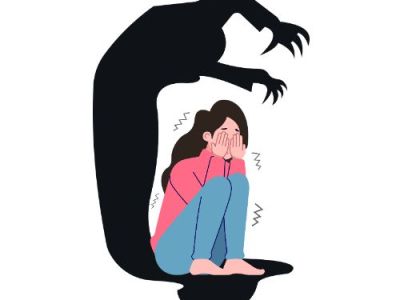
Do not turn your gratitude into guilt. A depressive state of mind can be prone to castigating itself for feeling sad when we have all these things to be grateful for. You are not ungrateful – you are sick.
Gratitude does not negate pain. But it can exist alongside it as a lifeline, making life more bearable .
Further Reading:
https://www.mindful.org/an-introduction-to-mindful-gratitude/
https://adaa.org/mental-health-game-changer
https://positivepsychology.com/gratitude-exercises/
What Does Practising Gratitude Look Look For You?



Early Warning Signs
The signs of oncoming illness, both low and high, include disturbed sleep, forgetfulness, clumsiness, hypersensitivity, irritability, emotional empathy, changes in appearance, sleep patterns, energy levels, and behavior. Tracking these can aid early intervention.

 Bipolar Rough Guide
Leave a comment