

Depression can be experienced in many ways, with varying severities. You can be high-functioning or unable to get out of bed. Common symptoms can be exhaustion, sadness, despair, hopelessness, dark-negative thoughts, paranoia, losing enjoyment, no motivation, numbness, over-eating or under-eating, over-emotional and overwhelmed.
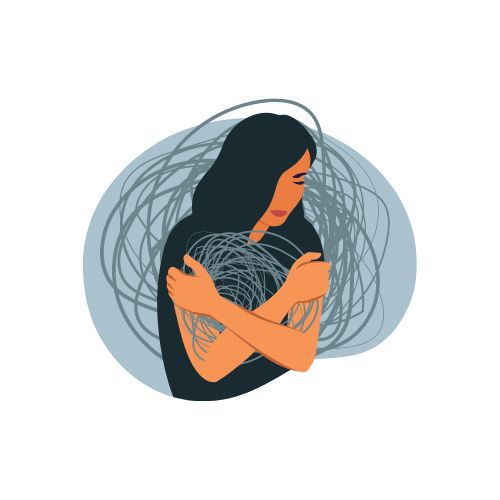
Sometimes thoughts of self-harm and suicidal ideation can be present in severe episodes. Everyone has their own unique experience and your own experiences of depressive episodes can vary.

What works for one person may not work for another. It is about finding what helps you manage your depression and stay safe.
Managing Depression
- Celebrate the small victories
- Achieve at least one thing a day. Such as having a shower, brushing your teeth, washing up, changing the bed etc, Accomplishing something, however little, will help you feel better about yourself
- Don’t ruminate on the future or the past

- Focus on the present. Just think about today and how you are going to get through it. If needs be, instead of taking it a day at a time, take it an hour at a time
- Mindfulness is a skill that can help you relax and stay in the present. It does take practice Mindfulness Exercises What is Mindfulness
- Fresh air and sunshine is essential for your mental health. Get outside if you can, even if for just 5 minutes. Or just open a window if going outside is too overwhelming
- Vitamin D and Mental Health

- Exercise is great for managing depression. That could be going for a run, walking, yoga, weight training etc. Work within your limits and do something you enjoy
- Be kind to yourself. Be aware of negative self-talk. Your dark thoughts are a symptom of depression and not a reality. You need to accept that you are sick and forgive yourself
- Reframe thoughts Intrusive thoughts and cognitive restructuring
- Rest is important. You are ill and need to manage depression like you would if you were sick with any other illness

- Routine can help. Maybe write down a plan for the day, however basic it may need to be. You can divide tasks into ‘have to do’ and ‘could do.’ Try to get up and go to bed at the same time everyday
- Setting alarms can help you remember to take your meds, eat, brush your teeth etc
- Food – Having some healthy fruits and vegetables in your diet will help your physical and mental health. Maybe prep some healthy meals for the freezer when you are well, to eat when you are too depressed to shop or cook
- Avoid alcohol. It is a depressant, can stop your meds working and make you feel a lot worse the next day
- Creativity, such as crafting, singing, art, music etc can help lift your mood or give you a respite from overwhelming thoughts

- Gratitude – Remembering those things we have to be grateful for, however small, builds resilience and can reframe thoughts of hopelessness
- Help – reach out to your support network. Friends, family, doctor care team etc. If you feel in danger of self-harm or suicide it is important to seek help. If no one is available there are helplines, such as the Samaritans, who will listen. Contact the Samaritans

- Learn to recognise the signs of depression and what your early warning signals are. This way you can attempt to manage your mental health, and seek help if necessary, before depression gets too severe. Keeping a Mood Diary and using the Bipolar UK Mood Scale are great ways to do this

My Bipolar Survival toolkit is another helpful resource
What are Your Depression Survival Tips and Coping Strategies? Share Below
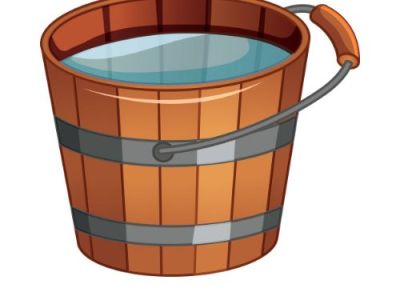
Stress Bucket
How full is your stress bucket…
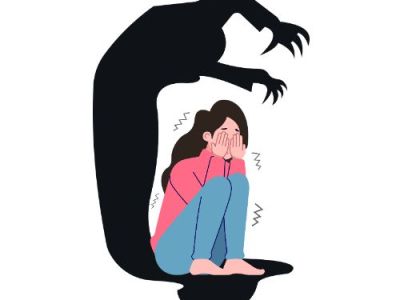
Coping in a Bipolar Crisis
These are my strategies for coping in a bipolar crisis.

Early Warning Signs
The signs of oncoming illness, both low and high, include disturbed sleep, forgetfulness, clumsiness, hypersensitivity, irritability, emotional empathy, changes in appearance, sleep patterns, energy levels, and behavior. Tracking these can aid early intervention.
Help I’ve Just Been Diagnosed with Bipolar Disorder
You have just been diagnosed and you’re thinking what Now? What does this mean? Where do I go from here? Don’t Panic Your life is not over – quite the opposite. Congratulations on the first day of the rest of your life On average in the U.K.…

What is Bipolar Disorder?
Bipolar disorder involves extreme mood swings, from severe depression to intense highs. It affects 1-3% of the population, with symptoms often appearing in late teens. There are different types, each with distinct characteristics. The causes are thought to be genetic and environmental, but much remains unknown.

Bipolar Survival Toolkit
These are the Bipolar Survival Tools that allow me to manage my illness
Something went wrong. Please refresh the page and/or try again.
 Bipolar Rough Guide
Leave a comment