
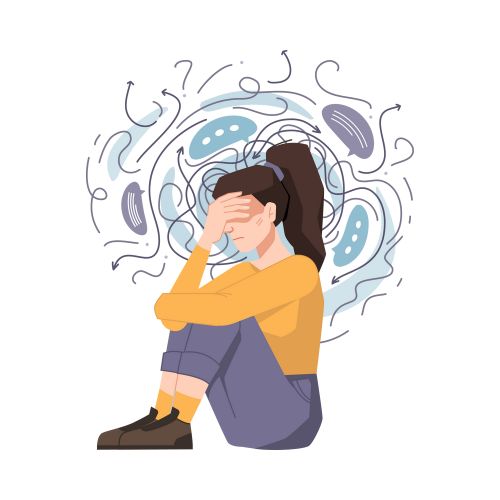
For years I carried this yolk around my neck, this rock within my stomach, weighing down my heart, this unnamed demon, masquerading as a guardian, would drag me down and hold me under. I would sink under its enormous gravity, unable to move.

Astonished I found it had a name Anxiety.
Now named, it still follows like my shadow. Waiting in the wings, announcing itself with a subtle tug in my gut, a pressing hand upon my chest, a tightness across my shoulders and the clenching of my fists. Waiting in the wings for a crescendo of sweating and gasping, panic and tears.
It ebbs and flows with the tides of my life. At times, a gentle ripple, open to reason, or a vicious rip tide, hiding an undercurrent ready to drag me under. 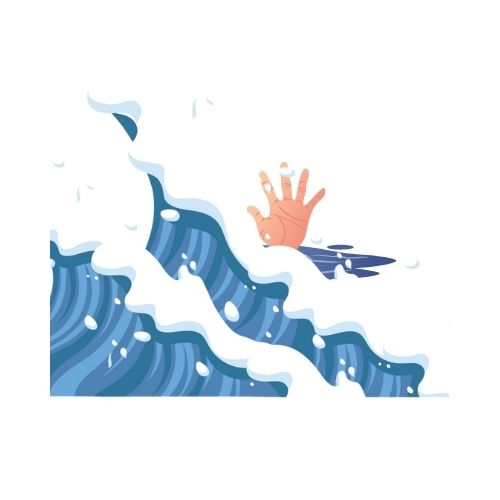
Sometimes it attacks out of nowhere, with a growl and a snarl, disguised as anger.
It tangles itself in my thoughts, influencing my decisions when my guard is down.

Managing Anxiety
The first step on the road to managing my anxiety was to identify it. To understand what that feeling was, how it felt in my body.
To recognise anxious thoughts for what they were, so I could observe them, rather than engage with them. So I could attempt to rationalise and reframe them.
At times, my anxiety may present as anger. Fear is a survival instinct, we may freeze, fight or make flight when our instinctual brain detects a threat.
Sometimes trauma teaches our brain we are living in a dangerous world, it programs our brains to react to stimuli that is not necessarily a threat. In a hunter-gatherer society, many millennia ago, that would have been a great survival strategy, however in our modern world it becomes a maladaptive problem.
A strategy I use to prevent, or deescalate a panic attack, is to be mindful of my body when in a stressful situation.
Regularly I check in with my body, am I clenching my fists, are my shoulders tight, am I grinding my teeth? Get to know how anxiety feels in your body so you can spot panic building and can take preventative action.
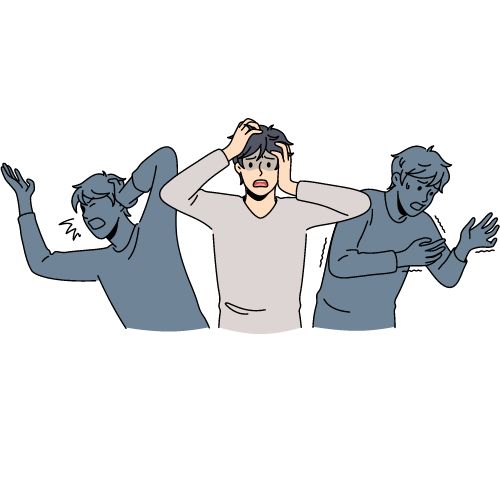
When you feel that first sign of anxiety building, remember to take long slow breaths – There are many breathing exercises and techniques you can use. Find one that works for you and practice when you are calm.
You can learn how to ground yourself to the here and now using mindfulness techniques. Take note of your surroundings, what can you see, hear, smell? Feel the ground under your feet and the weight of the gravity pushing you down.
You might find it helpful to carry calming essential oils and a relaxing playlist of music and ASMR saved on my phone for anxiety emergencies.
Sensory Overload
Sometimes my hyper-sensitivity to sounds, light and smell can trigger anxiety and panic. I find self-managed exposure therapy helps reduce the acuteness of the sensory overload that I experience.
Pro-actively I force myself to experience difficult environments. It requires constant practice, otherwise my resilience is eroded, allowing the anxiety and avoidance to creep back in. It is too easy to slip back into the habit of avoidance, especially when we are depressed.
As with bipolar, managing anxiety disorders requires constant vigilance and a life-long commitment.
I refuse to let anxiety rob me of my quality of life. What about you?
We are bipolar warriors. We are bipolar strong. We’ve got this.
Share your experiences with anxiety and coping strategies
Comment below or follow on social media
From the blog
Stay up to date with the latest from our blog.
-

Stress Bucket
How full is your stress bucket…
-

Coping in a Bipolar Crisis
These are my strategies for coping in a bipolar crisis.
-

Early Warning Signs
The signs of oncoming illness, both low and high, include disturbed sleep, forgetfulness, clumsiness, hypersensitivity, irritability, emotional empathy, changes in appearance, sleep patterns, energy levels,…
-

Help I’ve Just Been Diagnosed with Bipolar Disorder
You have just been diagnosed and you’re thinking what Now? What does this mean? Where do I go from here? Don’t Panic Your life is…
 Bipolar Rough Guide
Leave a comment